Your cart is currently empty!

Cultivating Community Through Small-Scale Agriculture
Cultivating Community Through Small-Scale Agriculture
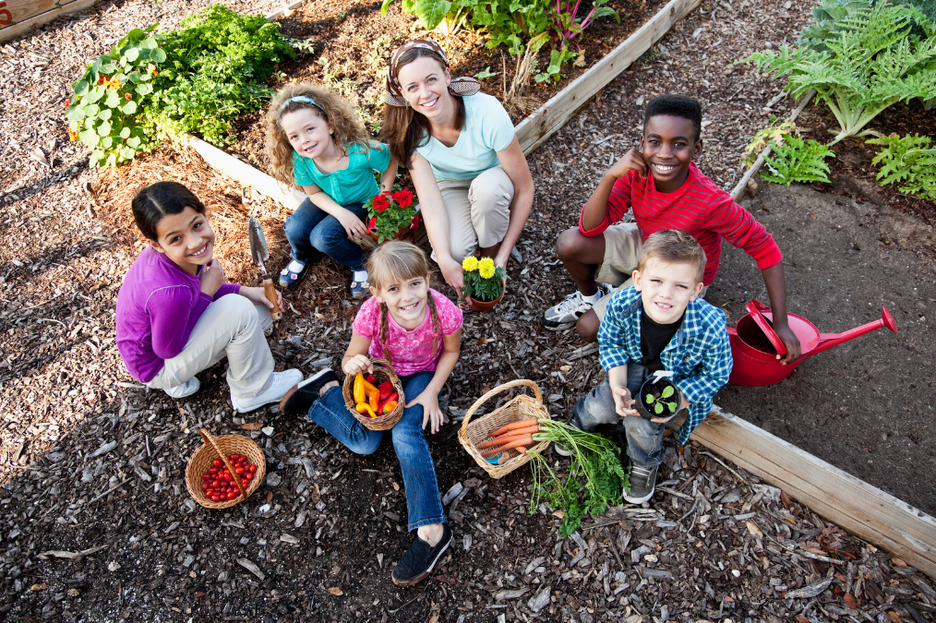
Small-scale agriculture is reshaping the way communities connect with their food, their environment, and each other. Beyond its role in providing fresh, local produce, small-scale farming fosters sustainable practices and strengthens social ties, making it a cornerstone of vibrant, resilient communities.
The Benefits of Small-Scale Agriculture
Small-scale agriculture prioritizes sustainability, diversity, and local engagement. Unlike industrial farming, it emphasizes regenerative practices that benefit both people and the planet. Here are some key advantages:
- Environmental Sustainability: Techniques like crop rotation, composting, and minimal pesticide use enhance soil health, conserve water, and protect biodiversity.
- Local Food Security: Small farms contribute to food security by producing fresh, nutrient-dense foods that are readily accessible to local populations.
- Reduced Carbon Footprint: By growing food locally, small-scale farmers reduce the need for long-distance transportation, minimizing greenhouse gas emissions.
- Biodiversity: Planting a variety of crops helps maintain ecosystem balance, making food systems more resilient to pests, disease, and climate change.
Building Community Connections
The impact of small-scale agriculture goes far beyond the harvest. It fosters connections within and across communities, creating spaces for collaboration, education, and shared purpose.
- Farmers’ Markets and Co-Ops: Local markets bring farmers and consumers together, offering a direct exchange of goods, knowledge, and stories. These settings encourage transparency, trust, and mutual support.
- Community-Supported Agriculture (CSA): CSA programs invite consumers to invest directly in local farms, creating a shared commitment to sustainable food systems. Members often receive regular deliveries of fresh produce and gain deeper insight into where their food comes from.
- Educational Opportunities: Small farms often host workshops, farm tours, and hands-on learning experiences, empowering individuals to grow their own food or better understand sustainable practices.

The Social and Health Impacts
The benefits of small-scale farming extend to mental and physical well-being. Research has shown that engaging in or supporting local agriculture can:
- Strengthen Community Bonds: Shared activities like harvest festivals, farm-to-table dinners, and volunteer days create a sense of belonging and shared purpose.
- Improve Access to Nutrition: Local farms provide fresh, nutrient-rich food, addressing food deserts and improving dietary quality.
- Promote Mindfulness: Spending time on farms or in community gardens fosters a deeper connection to nature, reducing stress and enhancing mental clarity.
How You Can Support Small-Scale Agriculture
No matter where you live, there are many ways to support and engage with small-scale agriculture:
- 1. Shop Locally: Visit farmers’ markets and prioritize local produce when shopping.
- 2. Join a CSA Program: Invest in a share of a local farm’s harvest and enjoy regular deliveries of fresh, seasonal foods.
- 3. Start a Garden: Even a small home garden contributes to sustainability and can provide a rewarding connection to nature.
- 4. Volunteer or Learn: Participate in farm tours, workshops, or volunteer days to support local farmers and gain hands-on experience.
- 5. Advocate for Policies: Support initiatives that promote small-scale and sustainable agriculture in your community.
How TRAWA Supports Small-Scale Agriculture
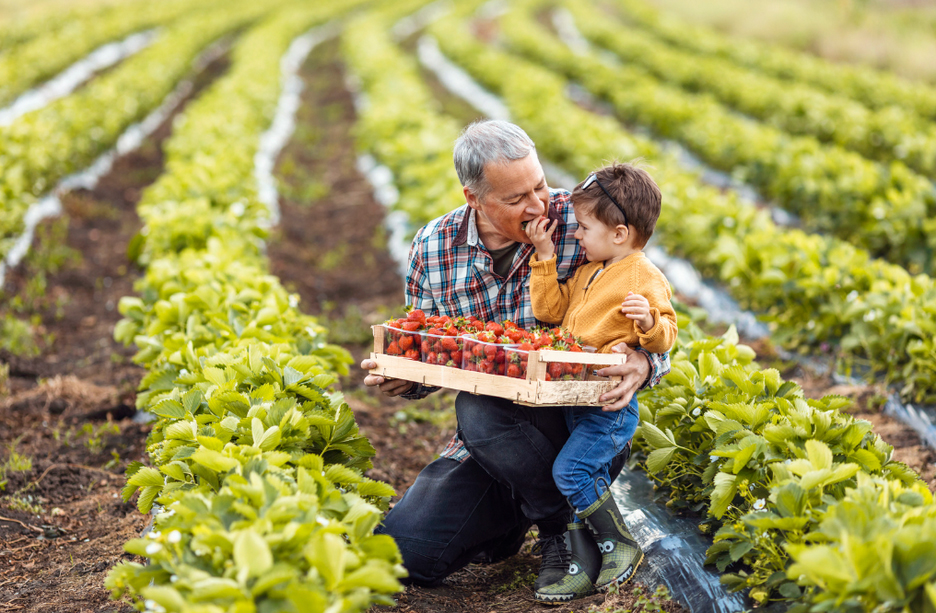
At the Table Rock Arts and Wellness Alliance (TRAWA), we celebrate the transformative power of small-scale agriculture in fostering health, sustainability, and community connection. Through our events and programs, we provide opportunities for individuals to engage with local food production and support sustainable practices.
What TRAWA Offers:
- Strengthen Community Bonds: Shared activities like harvest festivals, farm-to-table dinners, and volunteer days create a sense of belonging and shared purpose.
- Improve Access to Nutrition: Local farms provide fresh, nutrient-rich food, addressing food deserts and improving dietary quality.
- Promote Mindfulness: Spending time on farms or in community gardens fosters a deeper connection to nature, reducing stress and enhancing mental clarity.
- Farm-to-Table Events: Enjoy meals prepared with locally grown ingredients while learning about the people and processes behind your food.
Get Involved
Join TRAWA to stay informed about future programs and events centered on small-scale agriculture. Whether you’re a seasoned grower, a backyard gardener, or simply curious about sustainable food systems, there’s a place for you in our growing community.
Together, we can cultivate a healthier, more connected future through the power of local food production and community collaboration.