The Healing Power of Art
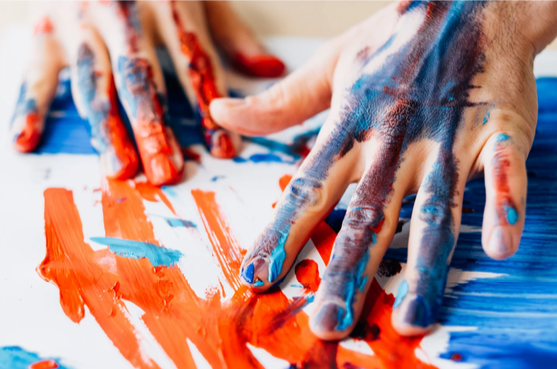
Art is more than just an outlet for creativity—it’s a powerful tool for healing and well-being. Whether you’re painting, sculpting, or simply enjoying the creative process, engaging with art has profound effects on mental health. Research consistently shows that art can reduce stress, enhance emotional resilience, and even improve cognitive function.
The Science Behind Creativity and Healing
Creative expression activates multiple areas of the brain, including those associated with emotions and problem-solving. This brain activity fosters a sense of calm, similar to the effects of mindfulness practices. A study published in Art Therapy: Journal of the American Art Therapy Association found that just 45 minutes of art-making significantly reduced cortisol levels—a key marker of stress—in participants regardless of their skill level.
Additionally, engaging in art has been linked to enhanced neural plasticity, the brain’s ability to adapt and reorganize itself. This adaptability is crucial for building resilience and managing anxiety and depression. Creative expression also triggers the release of dopamine, the “feel-good” chemical, which can help counteract feelings of sadness and isolation.
Art as a Safe Space for Emotional Exploration
Art provides a non-verbal medium to process emotions that may be difficult to articulate. For individuals experiencing trauma or chronic stress, creative activities can offer a safe space for self-expression. Studies in trauma-informed care highlight how art therapy supports emotional regulation by helping participants externalize their feelings in a way that feels manageable and constructive.
Community and Connection Through Art
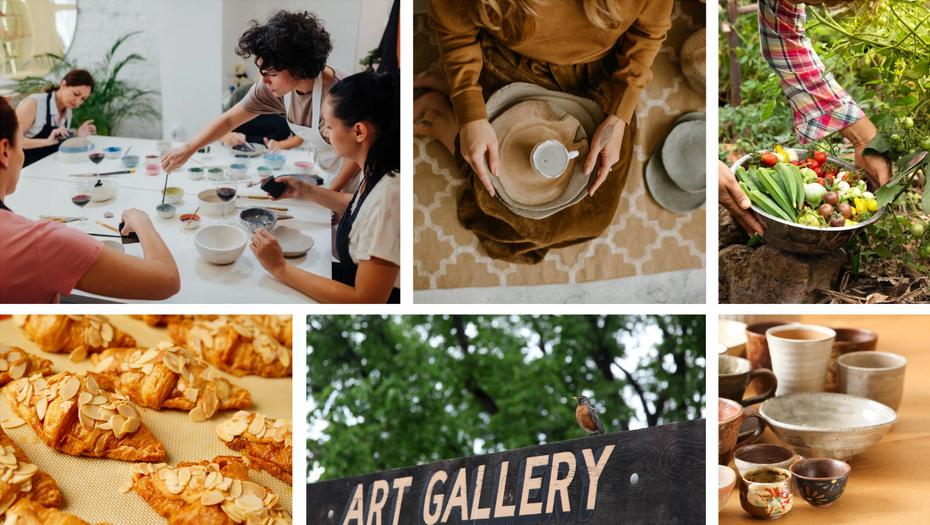
The benefits of art extend beyond individual well-being. Participating in group art activities fosters social connection and a sense of belonging. Community-based art programs have been shown to strengthen interpersonal bonds and reduce feelings of isolation, particularly among older adults and marginalized populations.
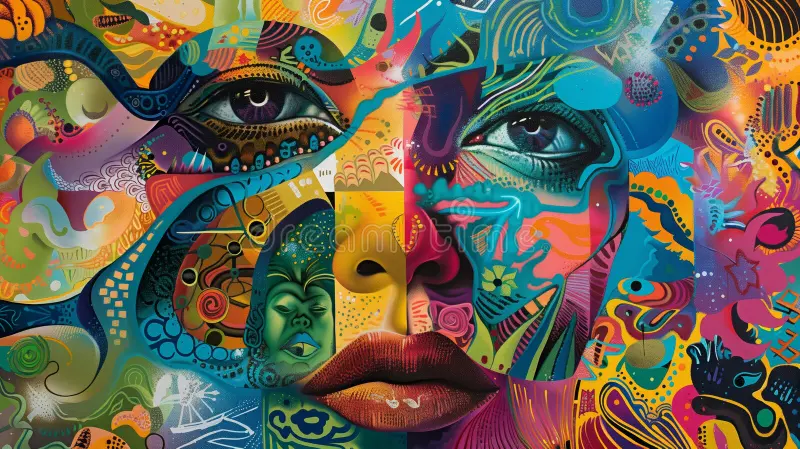
For example, a project involving community mural painting not only improved participants’ mental health but also created a lasting visual representation of collective hope and resilience. This illustrates the dual power of art: it heals individuals while uniting communities.
Practical Steps to Incorporate Art into Your Life
Art is for everyone—you don’t need to be a professional artist to benefit. Here are some ways to start:
- Create a Dedicated Space: Set aside a small area in your home for creative activities like sketching, journaling, or painting.
- Take a Class: Join a local art workshop or community program, like those offered by TRAWA, to connect with others while learning a new skill.
- Make It Routine: Dedicate time each week to engaging in a creative hobby, even if it’s just coloring in a journal.
- Express Freely: Remember, art is about the process, not the product. Focus on how it makes you feel, not how it looks.
Art as a Pathway to Wellness
The healing power of art lies in its ability to nurture both the mind and the soul. By engaging in creative expression, we tap into a wellspring of emotional and psychological benefits, supporting our overall well-being. At TRAWA, we’re committed to fostering opportunities for artistic engagement that improve individual and community health.
Join us at one of our art workshops or exhibitions to experience the healing power of art firsthand. Together, we can create a space where creativity thrives and wellness flourishes.